The Ultimate Guide to Choosing Your Ideal Work Boots
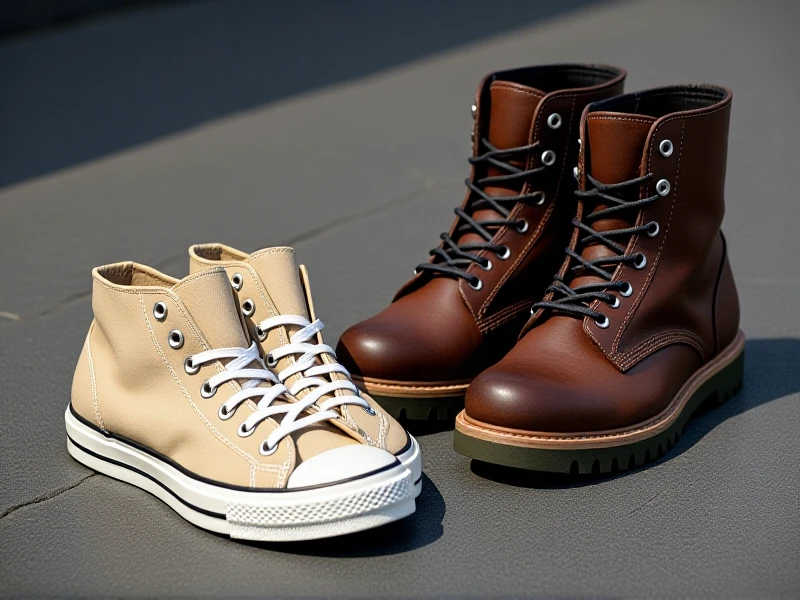
Your feet are your foundation on the job. Investing in the right pair of work boots isn't just about comfort; it's crucial for safety, performance, and preventing long-term injury. But with so many options available, finding the perfect pair can feel overwhelming. This guide breaks down the key factors to consider when selecting work boots that meet your specific demands.
Why Quality Work Boots Are Non-Negotiable
Whether you're on a construction site, exploring rough terrain, working in a warehouse, or tackling outdoor projects, your work boots are your primary defense. Essential safety features often include:
- Safety Toe Caps: Steel, alloy, or composite toes protect against crushing impacts and falling objects. Choose based on weight and any specific job site requirements (e.g., ASTM standards).
- Slip-Resistant Outsoles: Traction is vital. Look for deep lugs and specialized rubber compounds designed for oily, wet, or uneven surfaces.
- Electrical Hazard (EH) Protection: Provides a secondary barrier against accidental contact with live electrical circuits.
- Puncture-Resistant Midsoles: Shields the soles of your feet from sharp objects like nails or glass.
Beyond Safety: Durability & Materials
Work boots face harsh conditions. Durability stems from materials:
- Leather: Full-grain leather offers superior protection, durability, and naturally resists water. Oiled leather provides added weather resistance but requires maintenance.
- Synthetics & Textiles (Nubuck, Suede): Generally lighter and can break in faster, but may not offer the same long-term resilience as top-quality leather.
- Waterproof Membranes (Gore-Tex, Thinsulate™): Essential for wet environments to keep feet dry and warm, preventing blisters and discomfort. Breathable membranes are key.
Comfort is King for All-Day Wear
Even the safest work boots are useless if you can't wear them. Prioritize comfort features:
- Support & Cushioning: Look for supportive arches, contoured insoles, and ample midsole cushioning like EVA or polyurethane.
- Proper Fit: Size is critical. Try boots on at the end of the day (when feet swell) with the socks you intend to wear. There should be wiggle room for toes, no heel slippage, and ample width.
- Weight: Lighter work boots reduce fatigue, but ensure they don't compromise necessary protection or durability.
- Break-in Period: Quality leather boots often need a break-in period. Wear them for shorter periods initially.
Finding Your Perfect Pair of Work Boots
Identify your primary hazards (impact, electrical, chemicals, slips) and environment (dry, wet, cold, hot). Do you need insulation? Ankle support? Metatarsal guards? Understanding your specific job requirements narrows the choices.
High-quality work boots are an investment. Never sacrifice the safety features you need. Read reviews, research brands with solid reputations for work safety footwear, and consider trying various models. Your ideal work boots combine mandated protection, lasting durability, materials suited to your environment, and essential comfort features – ensuring you can perform safely and effectively, shift after shift.
Ready for safer, more comfortable feet? Start exploring top-rated work boots designed for your trade today! Always ensure your final choice meets or exceeds the safety standards required for your workplace. Visit a reputable retailer to get fitted properly.