Choosing the Best Work Boots: Safety and Comfort for Demanding Jobs
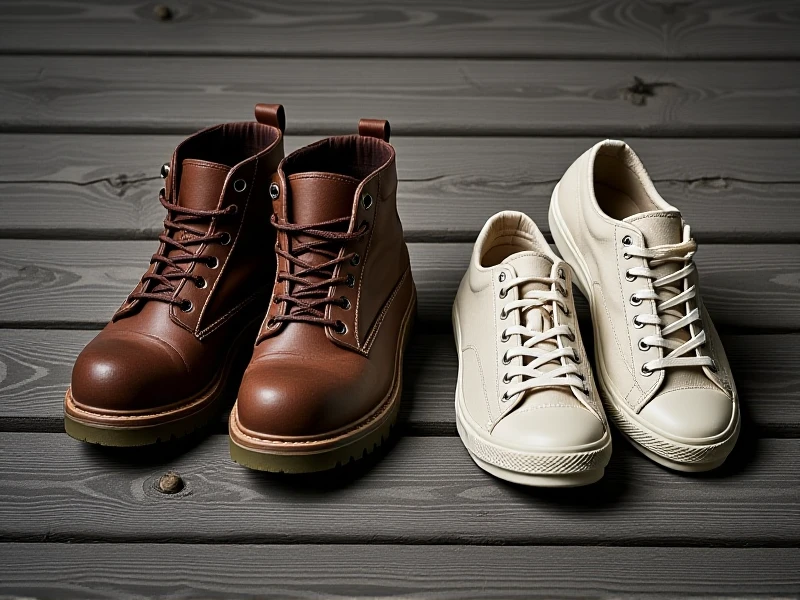
Finding the right pair of work boots isn't just about comfort; it's an essential investment in your safety and productivity on the job. Whether you're navigating construction sites, tackling landscaping projects, handling warehouse duties, or braving harsh outdoor elements, the right work boots are your first line of defense. With countless options available, understanding the key features is crucial.
Safety First: Non-Negotiable Features
Dedicated work boots prioritize protection against workplace hazards. Look for critical safety features mandated or recommended for your industry:
- Safety Toe Caps: Steel toe, composite toe, or aluminum toe caps protect feet from heavy falling objects and compression. Choose the type that meets the safety standards (like ASTM) required for your work environment while managing weight preferences.
- Slip-Resistant Outsoles: A high-traction sole designed for specific surfaces (oil, water, mud) is vital for preventing slips and falls, a major cause of workplace injuries.
- Electrical Hazard Protection: If working near live circuits, EH-rated work boots provide a secondary barrier against electrical shock.
- Puncture Resistance: Steel or composite plates in the midsole guard against sharp objects like nails or broken glass piercing the sole.
- Waterproofing & Weatherproofing: For outdoor work or wet environments, waterproof membranes (e.g., Gore-Tex) or treated leather keep feet dry, reducing the risk of blisters and cold stress.
The Foundation of Durability and Comfort
Beyond safety, durability and long-term comfort are paramount for all-day wear:
- Quality Uppers: Full-grain leather offers superior abrasion resistance and durability. Synthetics can be lighter weight and often more affordable but might not last as long in extreme conditions.
- Robust Construction: Look for well-made boots using techniques like Goodyear welt or cement construction, known for longevity and repairability.
- Supportive Design: Essential features include adequate ankle support to prevent twists, a defined heel cup for stability, and a supportive insole or removable footbed arch support to reduce fatigue. Removable insoles also allow for custom orthotics.
- Comfort Technologies: Modern work boots incorporate cushioning midsoles (EVA, polyurethane), ergonomic designs, and breathable linings to enhance comfort and reduce fatigue, even during long shifts. Proper fit is everything – always try on boots while wearing appropriate work socks.
Choosing the Perfect Pair
When selecting work boots, consider your specific job requirements:
- Analyze Your Daily Hazards: What are the main risks? Falling objects? Sharp objects? Slippery surfaces? Electricity? Chemicals? Match the safety features accordingly.
- Understand Environmental Demands: Will your boots face rain, snow, extreme heat, or cold? Is breathability or insulation more critical? Need waterproof protection?
- Consider Mobility and Weight: Jobs requiring constant movement (e.g., plumbing, roofing) benefit from lighter-weight composite toes and more flexible boots than heavy industrial settings.
- Invest in Proper Fit: Never compromise. Get measured, try boots on in the afternoon when feet are slightly larger, and ensure ample toe room and snug heel support. Walk around extensively before buying. Replace them when worn out – comfort and safety degrade as tread and cushioning fail.
Choosing high-quality work boots designed for your specific tasks ensures you step onto the job site prepared, protected, and comfortable. They are a fundamental safety tool, not just footwear. Invest wisely in your feet – your most valuable asset. Prioritize safety certifications, durable construction, and supportive comfort features tailored to your workplace demands. Always check the manufacturer's specifications to confirm the boots meet the necessary safety standards for your job. Your safety and health depend on it.